0
+
Years of Experience
FREE consultation — speak with our Texas TABC experts about liquor license types, costs, timelines, and the complete application process. We handle everything.
Brazos County is wet today, but College Station only voted itself fully wet in 1971, and the college-town economy built around Texas A&M — Kyle Field game days, the Northgate bar district, a population that skews young — creates licensing considerations that don’t show up in a standard TABC licensing checklist. A concept built for a typical Texas city doesn’t automatically work for one built around a football schedule and 70,000 students. For most of the 20th century, if you lived in Brazos County and wanted a bottle of liquor, you didn’t go to the store down the street — you drove across the Brazos River into Burleson County, where package stores sat clustered at the ends of the bridge like a border crossing. That changed on a single night in October 1971, and the ripple effects of that vote are still shaping how alcohol gets licensed here today, from a packed Northgate bar district to a football stadium that now sells beer to 100,000 people on a Saturday.
Required fields marked with *
Brazos County allowed beer sales as early as 1917, but after the state let counties choose their own status in 1935, Brazos stayed restrictive well into the 1960s — residents had to leave the county for anything stronger than beer, and the closest option was Burleson County, just across the river. Quick fact: the city of College Station didn’t go fully wet until an October 9, 1971 election, and a fully stocked liquor store opened on Jersey Street less than two weeks later. That one vote is the reason modern Northgate — now one of the busiest bar districts in the state — exists in its current form at all.
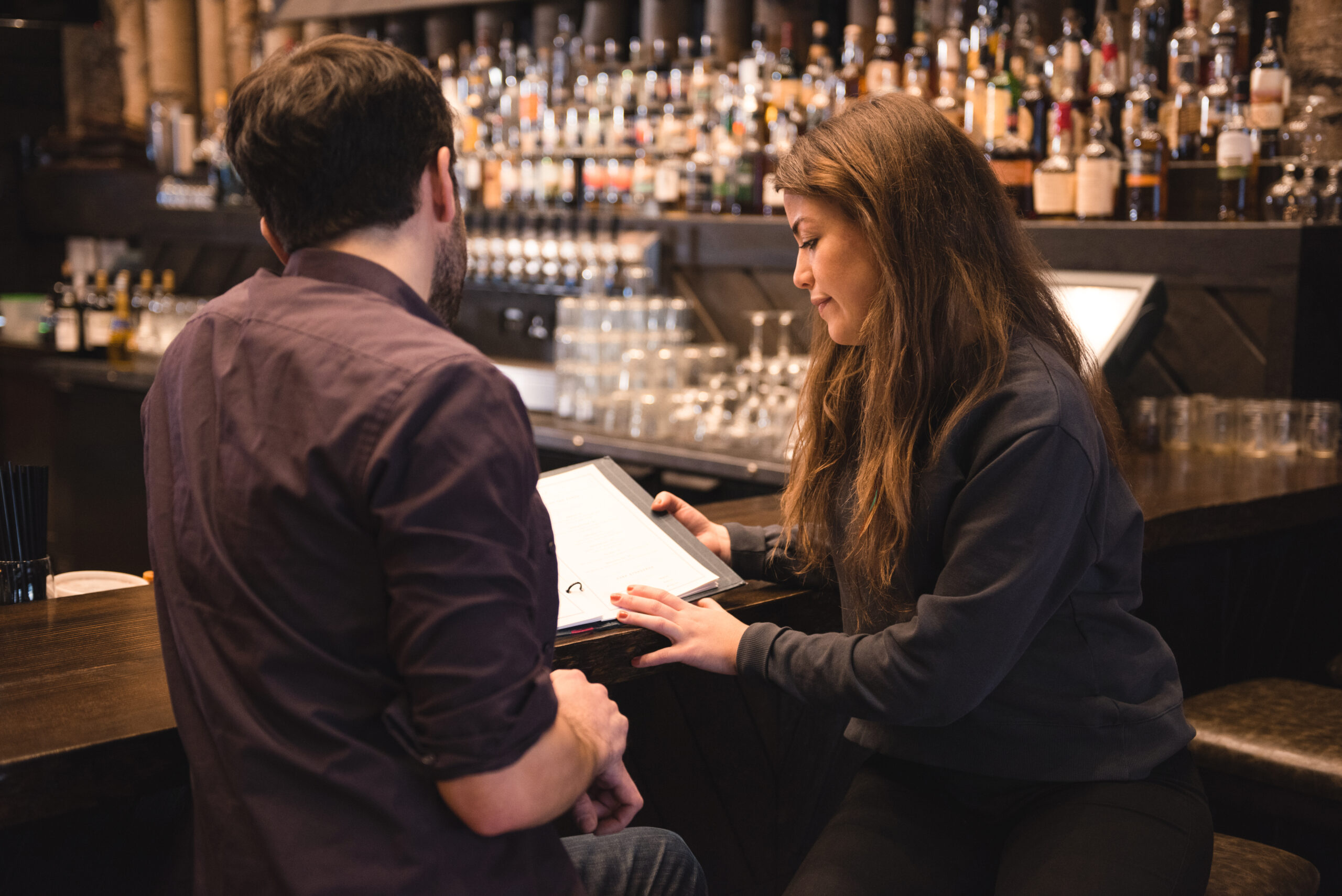

Here’s a detail most people don’t know: even after Brazos County itself went wet, College Station kept liquor stores outside its own city limits for years. They clustered instead near Texas World Speedway, in a pattern locals have compared to where fireworks stands sit today — just outside the line a city draws around itself. It’s a reminder that “the county is wet” has never been the whole story here. City limits, not just county lines, have shaped exactly where a Brazos County alcohol business could legally operate for most of the last century.
In 2019, Texas A&M became one of the first SEC programs to open beer and wine sales to the general public throughout Kyle Field, not just in premium suites that had quietly allowed it for years. Why this matters: the SEC’s policy requires designated, stationary sales points rather than vendors roaming the stands, caps how many drinks a single purchase can include, and applies on top of — not instead of — standard TABC rules. A business catering to game-day crowds needs to understand that stadium alcohol sales operate under a different rulebook than a neighborhood restaurant ever will.

Whether you’re launching a new venture or upgrading your existing license, Texas Alcohol Consulting is your trusted partner for fast, accurate, and professional TABC license services in Fort Worth, TX. From new permits to renewals and everything in between, we’ll handle the complexity—so you can stay focused on your business.

Seven home football Saturdays can account for a wildly disproportionate share of a Northgate bar’s annual revenue, and a customer base built around roughly 70,000 students — many under 21 — means TABC’s minor-decoy compliance checks tend to show up here more often than in a typical Texas college town. Quick fact: getting caught serving a minor during a game-day rush isn’t a minor paperwork problem — it’s the fastest way to lose a permit in a market where that one Saturday was supposed to carry the whole month. We build ID-verification planning into every Brazos County application, not just the paperwork. Our work centers on College Station and Bryan, the county’s two largest cities, along with the smaller surrounding communities. That covers a beer license for a Northgate taproom built around game days, or a complete liquor license for a full-service restaurant serving a steadier, year-round crowd. Reach out for a free consultation, and we’ll make sure your permit — and your compliance plan — actually fits a market built around a football schedule.
Once we’ve confirmed local-option status for your specific address, we pair standard TABC licensing paperwork with a Brazos County Clerk assumed name filing, ownership documentation, and a floor plan where applicable. The mandatory public notice period runs several weeks no matter the concept, and we schedule inspections to land inside that window rather than after it — timed, for a Northgate or stadium-adjacent client, around the football calendar rather than a generic start date. We manage the complete alcohol license acquisition process end to end.
Fully wet. Both College Station and Bryan permit alcohol sales, but we still confirm status at the specific address given how recently and unevenly that status was established across the county.
The city held out well after Brazos County itself had already loosened its own restrictions, which is why liquor stores and mixed-drink service arrived here later than in many other parts of the state.
Not directly — the stadium operates under its own SEC-mandated rules for sales points and purchase limits. But it shapes the surrounding market, since a huge share of local alcohol demand concentrates around seven Saturdays a year.
The customer base skews young, with a large share of patrons at or just above the legal drinking age, which raises the stakes on consistent ID verification and makes TABC compliance checks a bigger factor in day-to-day operations.
Game days concentrate both demand and scrutiny in the same few blocks, and a market with that much underage-adjacent foot traffic draws more attention from enforcement than a typical neighborhood bar does.
Yes — a trade-name business needs an assumed name certificate from the Brazos County Clerk, filed alongside the standard state application.
As early as possible. Between the mandatory public notice period and inspection scheduling, a late start risks opening mid-season instead of ready for the first home game.
Required fields marked with *