
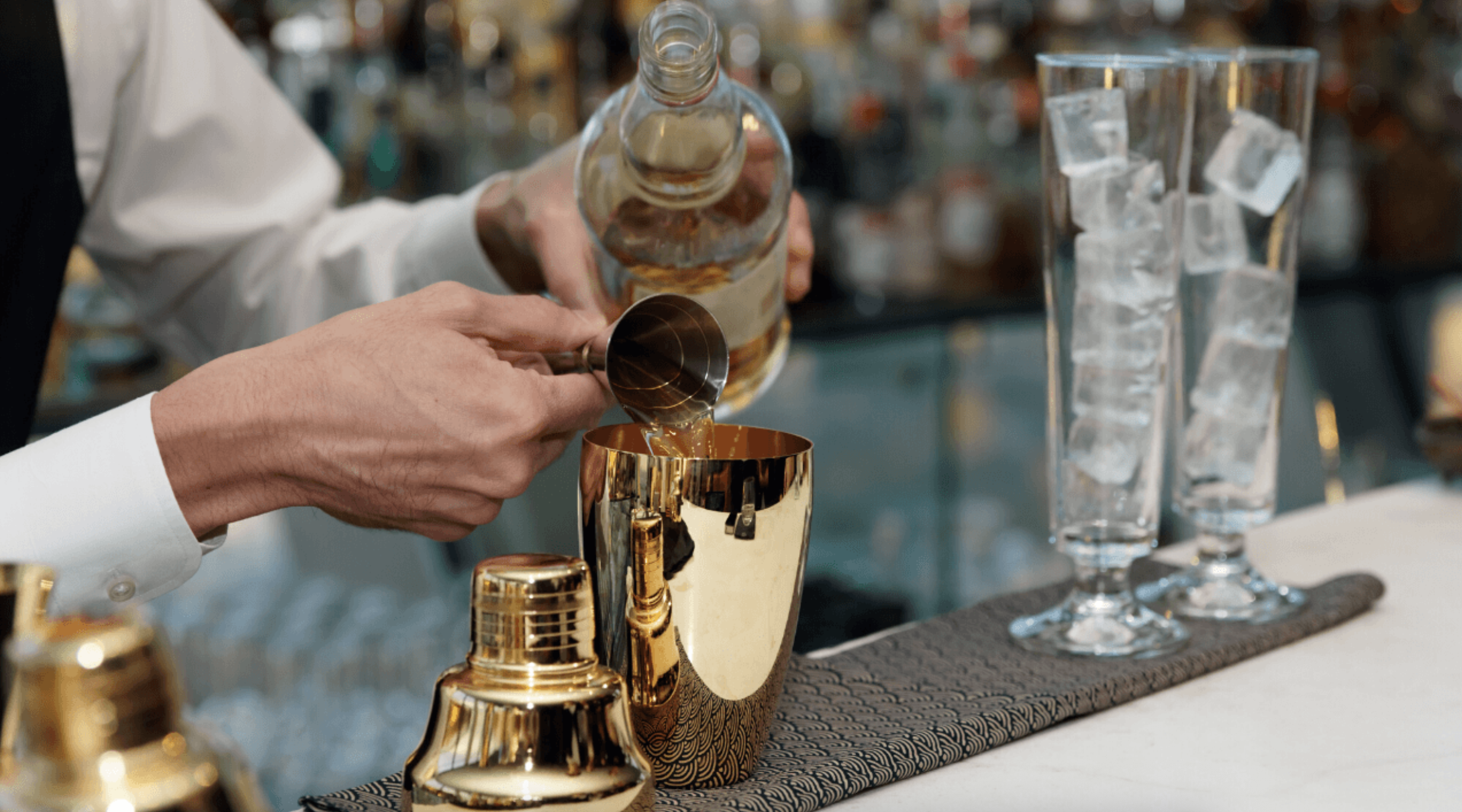
Planning to open a restaurant, bar, liquor store, brewery, or any business that serves or sells alcohol in Houston, Texas? One of the first legal requirements you’ll need is a TABC License. Whether you’re launching a new establishment or expanding an existing business, understanding the licensing process can save you time, money, and unnecessary delays.
The Texas Alcoholic Beverage Commission (TABC) regulates all alcohol sales in Texas. Every business must obtain the proper permit before selling, serving, manufacturing, or distributing alcoholic beverages.
If you’re searching for professional assistance with a TABC License in Houston, this complete guide explains everything—from eligibility and required documents to costs, processing times, and renewal.
Whether your business is located in Liquor License Houston, Austin, Dallas, TABC Licensing San Antonio, or Fort Worth, understanding the licensing process is essential for staying compliant with Texas law.
What Is a TABC License?
A TABC License (or TABC Permit) is an authorization issued by the Texas Alcoholic Beverage Commission that allows businesses to legally sell, serve, manufacture, distribute, or store alcoholic beverages.
Different business types require different permits, including:
- Restaurant permits
- Bar permits
- Beer and wine permits
- Package store licenses
- Brewery permits
- Winery permits
- Distributor permits
- Catering permits
- Temporary event permits
Choosing the correct permit depends on your business model and the type of alcohol you plan to sell.
Why Businesses in Houston Need a TABC License
Houston has one of Texas’s largest hospitality industries. Restaurants, sports bars, hotels, event venues, and retail liquor stores all require proper licensing before operating legally.
Obtaining your license allows you to:
- Operate legally in Texas
- Avoid expensive penalties
- Build customer trust
- Serve alcohol during approved business hours
- Expand business opportunities
- Stay compliant with local and state regulations
If you’re opening locations in Liquor License Houston, Austin, Dallas, TABC Licensing San Antonio, or Fort Worth, each location must also comply with local city and county regulations in addition to TABC requirements.
How Do I Get a Liquor License in Houston, Texas?
Getting a liquor license involves several important steps.
Step 1: Determine the Correct Permit
Your business type determines which TABC permit you need.
Examples include:
- Restaurant serving beer and liquor
- Wine-only café
- Sports bar
- Nightclub
- Liquor store
- Brewery
- Winery
- Hotel
Selecting the wrong permit can delay your application.
Step 2: Verify Local Zoning Requirements
Before submitting your application, verify that your property complies with local zoning regulations.
Some areas have restrictions regarding:
- Schools
- Churches
- Hospitals
- Residential neighborhoods
Local approval is often required before TABC approval.
Step 3: Complete Your TABC Application
The application typically requires business information including:
- Business ownership
- Business entity
- Physical location
- Alcohol type
- Business operations
Applications must be completed accurately to avoid processing delays.
Step 4: Obtain Local Government Approval
Many applications require approval from:
- City officials
- County offices
- Fire department
- Health department
- Building inspections
Requirements vary depending on location.
Step 5: Submit Required Documents
Supporting documentation must accompany the application.
Step 6: TABC Review
The Texas Alcoholic Beverage Commission reviews your application and verifies compliance.
Additional information may be requested during review.
Step 7: Receive Your License
Once approved, you’ll receive your official permit allowing your business to legally sell or serve alcoholic beverages.
How Long Does It Take to Get a TABC License in Houston?
The approval timeline depends on several factors.
Typical processing time ranges from:
- 2–8 weeks for straightforward applications
- Longer if inspections, zoning approvals, or corrections are required
Processing speed often depends on:
- Complete documentation
- Local government approvals
- Application accuracy
- Business structure
- Inspection scheduling
Working with an experienced licensing consultant often helps reduce unnecessary delays.
How Much Does a Liquor License Cost in Houston?
There is no single price because costs vary depending on the permit type and business operation.
Factors affecting costs include:
- Type of permit
- Business size
- Location
- Alcohol category
- Local fees
- State licensing fees
- Renewal fees
Additional expenses may include:
- City permits
- County approvals
- Health inspections
- Fire inspections
- Legal documentation
Obtaining professional guidance can help ensure you apply for the correct permit and avoid costly mistakes.
What Documents Are Required for a Houston Liquor License?
The exact documentation depends on your business structure and permit type.
Common documents include:
Business Formation Documents
- LLC Certificate
- Corporation documents
- Partnership agreement
Federal EIN
Your Employer Identification Number issued by the IRS.
Business Location Information
- Lease agreement
- Property ownership documents
Personal Identification
Identification for owners, partners, and officers.
Floor Plans
Many permits require detailed floor plans showing:
- Entrances
- Exits
- Seating
- Bar area
- Storage
Sales Tax Permit
Texas sales tax registration.
Local Approvals
Approvals from:
- City offices
- County authorities
- Fire Marshal
- Health Department
Assumed Business Name (DBA)
If applicable.
Additional documentation may be requested depending on your permit category.
How Do I Renew My TABC License in Houston?
A TABC license must be renewed before expiration to continue operating legally.
Renewal generally includes:
- Updating business information
- Paying renewal fees
- Confirming compliance
- Resolving outstanding violations
- Submitting renewal paperwork
Failing to renew on time may result in:
- License suspension
- Business interruption
- Additional penalties
- Reapplication requirements
Many businesses begin the renewal process well before the expiration date to avoid disruptions.
Common Reasons TABC Applications Are Delayed
Many businesses experience delays because of avoidable mistakes.
Common issues include:
- Incomplete applications
- Incorrect permit selection
- Missing documents
- Zoning problems
- Lease inconsistencies
- Incorrect ownership information
- Inspection failures
- Missing local approvals
Carefully reviewing every requirement before submission can significantly improve approval timelines.
Why Work with a TABC Licensing Professional?
Navigating Texas alcohol licensing regulations can be complicated, particularly for first-time applicants or businesses opening multiple locations.
Professional assistance can help with:
- Choosing the correct permit
- Preparing documentation
- Completing applications accurately
- Coordinating city and county approvals
- Responding to TABC requests
- Managing renewals
- Reducing costly delays
Whether you’re opening your first restaurant or expanding across Texas, expert guidance can simplify the licensing process.
Serving Businesses Across Texas
Although this guide focuses on Houston, businesses throughout Texas can benefit from professional licensing assistance.
If you’re opening or expanding in other major cities, explore our location-specific services:
- Liquor License Houston, Austin, Dallas, TABC Licensing San Antonio, or Fort Worth
- Each city has unique local approval requirements, making location-specific guidance valuable.
Frequently Asked Questions
Is a TABC license required for every business selling alcohol?
Yes. Any business that manufactures, distributes, sells, or serves alcoholic beverages in Texas must obtain the appropriate TABC permit.
Can I apply for a TABC license online?
Yes. Many applications can be submitted electronically, though local approvals and supporting documentation are still required.
Can I operate while my application is pending?
Generally, no. Businesses must receive approval before legally selling or serving alcoholic beverages.
Do restaurants and bars require different permits?
Yes. The required permit depends on the business type, alcohol offerings, and operating model.
Can I transfer my liquor license to another location?
In many cases, a new application or approval process is required when changing business locations.
What happens if my application is denied?
The TABC typically provides reasons for denial, allowing applicants to correct deficiencies or appeal where appropriate.
How often does a TABC license need renewal?
Renewal schedules vary depending on the permit type. Businesses should monitor expiration dates and renew promptly.
Do I need local city approval before TABC approval?
Yes. Most applications require local government approvals before the TABC can finalize the licensing process.
Get Expert Help with Your Houston TABC License
Obtaining a TABC License in Houston doesn’t have to be overwhelming. Whether you’re opening a restaurant, bar, liquor store, brewery, hotel, or event venue, having the right guidance can make the process faster and more efficient.
Our team helps businesses throughout Liquor License Houston, Austin, Dallas, TABC Licensing San Antonio, or Fort Worth navigate the Texas alcohol licensing process with confidence. Contact us today to simplify your application, avoid costly delays, and get your business ready to operate legally.